


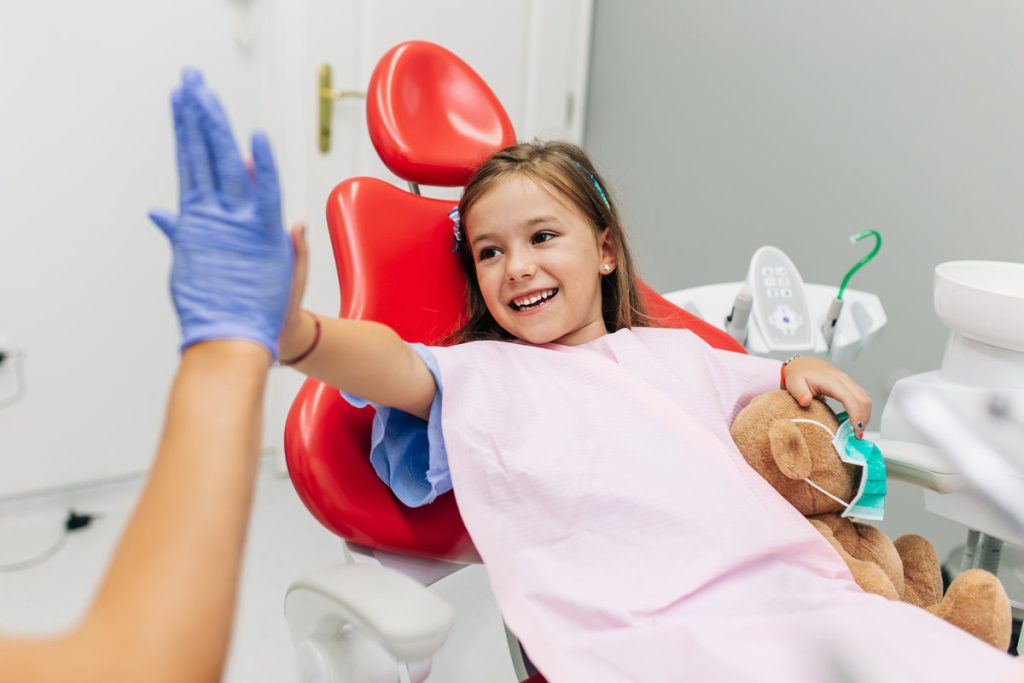
A sensory-sensitive child can have an easier dental visit with some preparation beforehand, from talking through what to expect to bringing familiar comfort items. Bright lights, loud sounds, and unfamiliar textures can turn a routine checkup into an overwhelming experience for these kids, leaving parents unsure how to help.
At HulaGrins Pediatric Dentistry, we know every child processes the world differently, and we build our pediatric dental visits around what helps each one feel comfortable. Here are practical ways to prepare your sensory-sensitive child for a calmer appointment.
Talk Through the Visit Beforehand
Children who are sensory sensitive often do better when they know what to expect, since surprises can heighten anxiety. Talking through the visit a few days beforehand gives your child time to process the idea instead of feeling caught off guard.
Keep the explanation short and honest. You might tell them a dentist will count their teeth, use a soft brush, and maybe take a picture of their smile with a special camera. Avoid detailed descriptions of sounds or sensations that might cause worry, and stick to the calm, predictable parts of the visit.
Practice At Home
Role playing builds familiarity before an appointment. Have your child sit in a chair, tilt their head back, and let you look inside their mouth with a flashlight and a soft toothbrush:
- Open wide: Practice opening the mouth on command, just like a dentist would ask
- Count together: Count teeth out loud so your child hears a familiar voice
- Explore textures: Let your child hold and feel a toothbrush before it touches their teeth
These small steps build confidence, and our team continues that same gradual approach once your child is in the chair.
Bring Comfort Items
A favorite stuffed animal, a soft blanket, or noise reducing headphones can help your child regulate their senses while they wait for their appointment. A fidget toy or weighted lap pad may help them stay calm during the exam itself.
These items give your child a sense of stability, which is part of why we designed our pediatric dental office to feel warm and welcoming rather than clinical.
Ask for a Sensory-Friendly Environment
Every child reacts to sensory input differently, so it helps to share your child’s triggers before the appointment begins. Some children do better with dimmed lighting, while others need extra time between steps of an exam.
Dr. Sena Hiradate and Dr. Sonya Lin adjust their pace based on what each child needs, whether that means limiting sudden movements, explaining each tool before it is used, or allowing extra pauses throughout the visit.
Time It Right
A child who is tired, hungry, or overstimulated may struggle more with sensory input than they would during a calmer part of the day. If your child tends to be more regulated in the morning or after a nap, try to schedule appointments around those windows, even for an emergency dental appointment when stress levels tend to run higher regardless of timing.
Why Sensory Sensitivities Happen
Sensory over-responsivity is more common in children than many parents expect. According to research from the USC Chan Division of Occupational Science and Occupational Therapy, up to a third of children experience sensory over-responsivity, which can show up in the dental chair as intense reactions to bright lighting, sudden sounds, or unwanted touch around the mouth.
Understanding that these reactions are rooted in how a child’s nervous system processes input, rather than a behavior problem, can help parents respond with patience instead of frustration.
Celebrate Progress
Positive reinforcement after a visit, no matter how it went, helps build trust for future visits. If your child sat in the chair for even a few minutes or stayed calm through part of the exam, acknowledge that progress with specific praise, such as noting how bravely they handled the bright light.
Trust HulaGrins Pediatric Dentistry to Support Your Child’s Sensory Needs
Every child deserves a dental experience that respects how they process the world around them, and our team builds appointments around each child’s comfort rather than rushing through a one size fits all visit. Dr. Hiradate and Dr. Lin bring more than 15 years of combined experience to every appointment, offering a gentle and personalized approach for infants, children, and young adults alike.
If your child struggles with sensory sensitivities, we encourage you to reach out and share what has helped in the past so we can build a plan together before your visit. You can contact our team today to schedule an appointment and talk through any concerns before your child’s next dental checkup.