

Pediatric Sedation Dentistry in Torrance, CA
At HulaGrins Pediatric Dentistry, we provide pediatric sedation dentistry in Torrance, CA using safe, gentle techniques to help children feel calm and comfortable during treatment while supporting positive dental experiences.
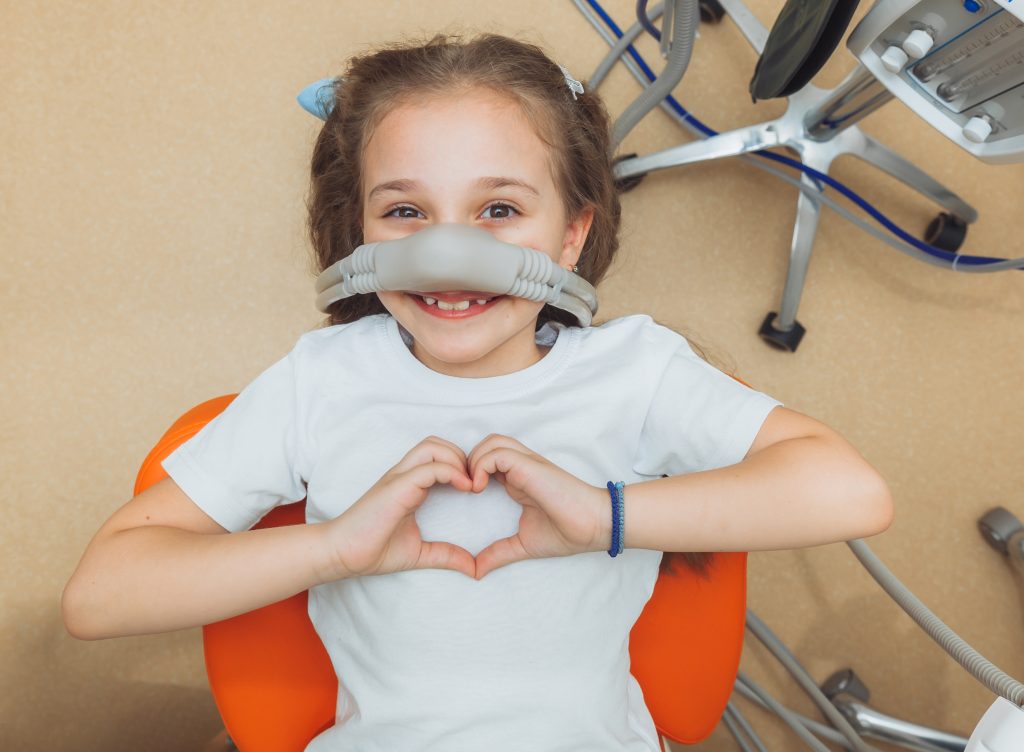
Every parent wants their child’s dental experience to be calm, comfortable, and free of fear, but the reality is that some children genuinely cannot cooperate during treatment without additional support. Whether it is due to dental anxiety, young age, a complex treatment plan, or a developmental or medical condition, there are children for whom standard behavior guidance simply is not enough to make quality care possible. Pediatric sedation dentistry exists precisely for these situations, and when it is offered by a trained, board-certified pediatric dentist, it is both safe and profoundly effective.
At HulaGrins Pediatric Dentistry in Torrance, we offer a full spectrum of sedation options as part of our comprehensive pediatric dentistry services, and we tailor every sedation recommendation to the individual needs of your child. Dr. Sena Hiradate holds a Pediatric Minimal Sedation Permit, and our team brings over 15 years of combined board-certified experience to every sedation case we manage. At HulaGrins, you are Ohana, and that means we never take a one-size-fits-all approach to your child’s care or comfort.
Our Sedation Options, From Lightest to Deepest
Nitrous Oxide
The lightest option, inhaled through a small mask, producing a gentle relaxed feeling that wears off quickly after the mask is removed.
Oral Sedation
A prescribed medication given before the visit, keeping your child calm and drowsy but still awake and responsive.
General Anesthesia
Reserved for extensive treatment or special circumstances, coordinated with a qualified anesthesia provider for full safety.
Why Some Children Need Sedation for Dental Treatment
Dental anxiety in children is far more common than many parents realize. Research published in the National Institutes of Health’s PMC database notes that prevalence estimates of dental anxiety in children and adolescents range from approximately 5 to 20%, and highly anxious children may refuse treatment even when they are experiencing significant pain. For these children, the combination of a dental chair, unfamiliar sounds, and the presence of instruments near their face can be genuinely overwhelming, and no amount of reassurance will bring them to a level of cooperation where safe, effective treatment is possible.
Sedation is also commonly needed for children who require extensive restorative work, those who are too young to understand and follow instructions, or children with special health care needs whose neurodevelopment makes traditional behavior management inadequate. In all of these cases, the right sedation approach allows our team to complete the care your child needs efficiently and without trauma, preserving both their oral health and their long-term relationship with dental treatment.
Sedation Options We Offer at HulaGrins
Nitrous Oxide
Nitrous oxide, commonly known as laughing gas, is the lightest and most widely used form of sedation in pediatric dentistry. It is inhaled through a small mask placed over the nose and produces a gentle, relaxed feeling without putting your child to sleep. Nitrous oxide takes effect within minutes, wears off quickly after the mask is removed, and allows most children to leave the appointment and resume normal activities the same day. It is an excellent option for children with mild to moderate anxiety who need a little extra help relaxing, and it can make routine dental visits significantly more comfortable for children who struggle with them.
Oral Sedation
For children with more significant anxiety or those undergoing longer or more involved procedures, oral sedation provides a deeper level of relaxation while still allowing the child to remain awake and responsive. A prescribed liquid or tablet medication is administered before the appointment, and by the time treatment begins, most children are calm, drowsy, and far less aware of the clinical environment around them. Oral sedation requires a responsible adult to accompany the child and remain available for the rest of the day, as the effects may linger for several hours after the appointment.
General Anesthesia
General anesthesia is reserved for children who require extensive treatment, who are very young and unable to cooperate with lighter sedation, or who have medical or developmental conditions that make in-office sedation insufficient. Under general anesthesia, the child is completely asleep and unaware, allowing our team to complete all necessary treatment safely and efficiently in a single visit. This option is coordinated with a qualified anesthesia provider in accordance with American Academy of Pediatric Dentistry guidelines, and safety monitoring throughout the procedure is comprehensive. For children with special health care needs, general anesthesia is often the most compassionate and appropriate path to the care they require.
How We Determine the Right Sedation Approach
Our team does not apply sedation casually. Before any sedation appointment, we conduct a thorough presedation evaluation that includes a review of your child’s medical history, current medications, weight, fasting requirements, and the nature of the dental work to be completed. We take the time to explain our recommendation to parents in full, answer all questions, and make sure both you and your child feel prepared for what to expect. Sedation is always paired with non-pharmacological behavior guidance techniques, because we know that medication alone is not the complete picture of a comfortable dental experience.
The following factors typically guide our sedation recommendations:
- Age and developmental stage: younger children and those with cognitive differences often require more support than behavioral guidance can provide alone
- Extent of treatment needed: a child requiring multiple restorative procedures in one visit benefits significantly from sedation for both safety and efficiency
- Anxiety level: a thorough clinical conversation with both parent and child helps us gauge the level of pharmacological support that will be most effective
- Medical history: certain health conditions affect how sedation medications are metabolized and which options are safest for a given child
Every decision is made with your child’s safety as the first priority, and we discuss the specific benefits and considerations of each approach transparently with every family.
Schedule a Sedation Dentistry Consultation at HulaGrins Pediatric Dentistry
If your child has had difficult dental experiences in the past, struggles significantly with anxiety, or simply needs more support than behavioral guidance provides, sedation dentistry may be exactly the solution your family has been looking for. Our board-certified pediatric dentists, Drs. Sena Hiradate and Sonya Lin, are skilled at matching each child with the sedation approach that fits their unique needs, temperament, and treatment plan. Our Torrance office is designed to be a calming, welcoming environment for every child who comes through our doors, and our team approaches every sedation case with the same meticulous care and genuine compassion that defines everything we do.
We invite you to contact our office to schedule a consultation and discuss whether sedation dentistry is right for your child. We proudly serve families throughout Torrance and the greater South Bay area, and we would be honored to give your child the comfortable, fear-free dental experience they deserve.
FAQ - Sedation Dentistry
Nitrous oxide, or laughing gas, is the lightest and most widely used sedation in pediatric dentistry. It is inhaled through a small mask, produces a gentle relaxed feeling without putting your child to sleep, and takes effect within minutes. It wears off quickly once the mask is removed, and most children can return to school or normal activities the same day.
Oral sedation uses a prescribed liquid or tablet given before the appointment, and your child stays awake and responsive but calm and drowsy. A responsible adult needs to accompany your child and stay available for the rest of the day, since effects can linger for several hours after the appointment ends. We walk you through fasting requirements and what to expect beforehand.
General anesthesia is reserved for children needing extensive treatment, very young children who cannot cooperate with lighter sedation, or children with medical or developmental conditions that make in-office sedation insufficient. Your child is fully asleep and unaware, letting us complete all necessary treatment in one visit. It is coordinated with a qualified anesthesia provider following American Academy of Pediatric Dentistry guidelines.
We conduct a thorough presedation evaluation covering your child's medical history, medications, weight, and the treatment needed. Age, developmental stage, extent of treatment, anxiety level, and medical history all factor into our recommendation. We explain our reasoning fully and answer all questions so both you and your child feel prepared before any sedation appointment.
Contact Us
Mahalo! If you have any general questions or concerns, email us at aloha@hulagrins.com or fill out the form below. Please do not include any personal protected sensitive information in this message.
Open Door Policy
Our office has an open door policy, which means that you are welcome to be with your child in the operatory, with the exception of general anesthesia appointments.