


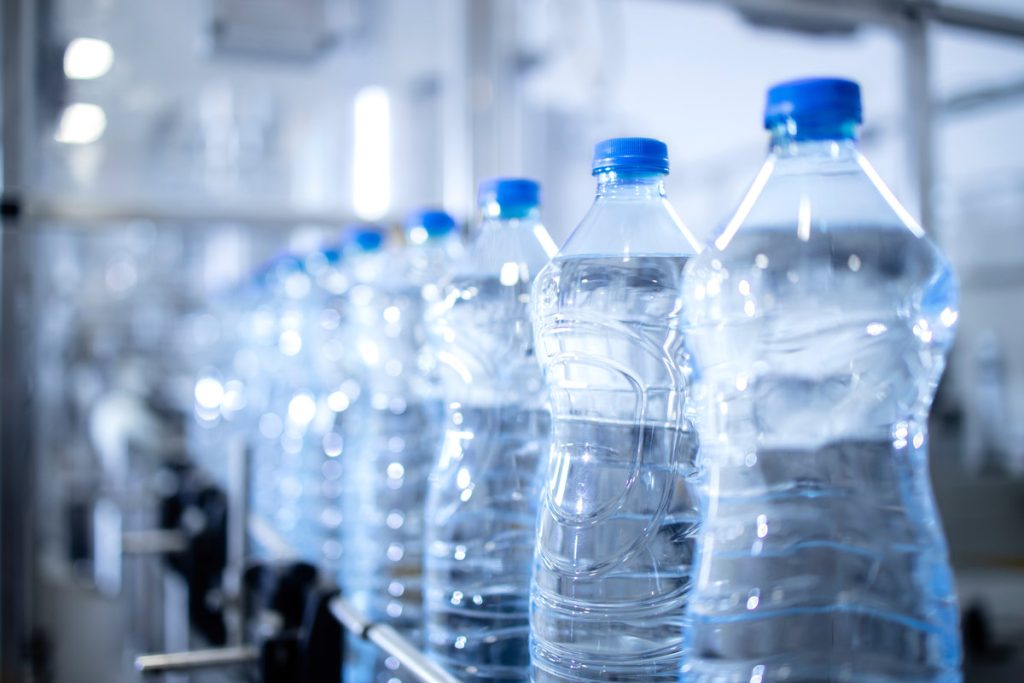
Parents who reach for bottled water for their kids often assume they are making the healthier choice. What many do not realize is that most bottled water contains little to no fluoride, the mineral that has done more to reduce cavities in children over the past several decades than almost any other public health measure. That gap can quietly add up, especially during the years when your child’s teeth are still developing.
At HulaGrins Pediatric Dentistry in Torrance, we hear this question from families every week, and the short answer is yes, most children who drink primarily bottled water still need fluoride from another source. The right amount depends on your child’s age, diet, and cavity risk, which is why our team walks each family through a personalized plan during their pediatric dental services visit. Building good habits early helps protect your child’s baby teeth and helps set a strong foundation for their permanent smile.
Why Fluoride Matters for Growing Smiles
Fluoride works in two ways: it strengthens tooth enamel while teeth are forming under the gums, and it repairs early acid damage on teeth already in the mouth. Both actions reduce the likelihood of cavities before they can take hold. According to the CDC’s guidance on community water fluoridation, water fluoridated at 0.7 mg/L reliably prevents cavities, and children who drink mostly bottled water may not receive an optimal amount to protect their teeth. Most municipal tap water in the South Bay meets that target, but nationally branded bottled waters, purified waters, and distilled waters usually do not.
Cavities remain the most common chronic condition in childhood, and prevention starts earlier than most parents expect. Baby teeth may fall out eventually, but they hold space for adult teeth, help kids chew and speak clearly, and shape jaw development for years to come. Our team begins caring for children as young as six months old, and we also see newborns for concerns like natal teeth or latch-related issues so families are supported from the very first tooth. We track everything from cavity risk to pediatric airway health at each preventive visit, giving parents a full picture of what their child needs.
How to Tell if Your Child Is Getting Enough Fluoride
If your child drinks bottled water for most of the day, the label is the first place to check. Bottled waters marked as purified, distilled, deionized, or demineralized typically contain little to no fluoride unless the brand adds it back in and lists it as an ingredient. Spring waters vary widely by source, so contacting the manufacturer is often the only reliable way to know. You can also review your child’s other fluoride sources before assuming they are falling short. A quick look at what your child drinks and uses each day gives us a clearer picture, and during a visit we may ask about the following:
- What brand of bottled water your child drinks and roughly how much per day
- Whether toothpaste is fluoridated and how much your child uses at each brushing
- If your child drinks tap water at school, daycare, or a grandparent’s home
- Any prescription supplements or over-the-counter rinses your child currently uses
Answering these questions together lets us decide whether a supplement, topical treatment, or a simple habit change is the right next step. In many cases, small adjustments are all a family needs.
Fluoride Options We Offer at HulaGrins
For children who need extra protection, we offer several in-office treatments alongside guidance for home care. Professional fluoride varnish is our most common approach for regular preventive visits, and it takes only a few minutes to apply. Varnish adheres directly to the tooth surface, delivering a concentrated dose of fluoride without any rinsing or spitting required, which makes it a comfortable option even for younger children. We also offer silver diamine fluoride (SDF) for early cavities in situations where a traditional filling may not be the best fit for a young or anxious patient. It can also be a good option for smaller cavities that don’t necessarily need a filling yet, but where the goal is to stop further growth before it progresses
Because taste is often a sticking point for kids, we keep our chairside fluoride simple with one flavor and a non-flavored option, so families with picky eaters or sensory-sensitive children still have a choice. Our associate dentist, Dr. Sonya Lin, and lead dentist, Dr. Sena Hiradate, both take time to explain what a treatment involves before we begin, and outside professionals like ABA or occupational therapists are welcome to attend happy visits when helpful. Families can learn more about our team on our Meet Our Pediatric Dentists page.
Balancing Bottled Water With Cavity Prevention at HulaGrins Pediatric Dentistry
Choosing bottled water for your child is a personal decision, and it does not have to come at the cost of their dental health. With a clear picture of what your child drinks each day, a fluoride toothpaste habit matched to their age, and preventive treatments at our Torrance office as needed, cavities become far less likely. Our team is happy to talk through the options, review the label on your favorite brand, and build a plan fitting how your family actually lives. First-time visitors can find helpful details on our new patient page before booking.
If bottled water is a staple in your home and you want a straightforward answer about your child’s fluoride needs, we would love to meet you. To schedule a visit for your infant, child, or teen, please contact our Torrance office.